

The sanctuary is the heart of your church. It’s where your people gather to worship, pray, fellowship, and reflect. When it’s clean, it creates a peaceful and welcoming space that sets the tone for everything else happening in your building.
But keeping the sanctuary clean during a packed week isn’t always easy. With midweek services, rehearsals, funerals, and special events, it doesn’t take long for things to get messy. If you’ve ever walked in on a Sunday morning and found crumbs in the pews or tissues on the floor, you’re not alone. Cleanliness is never-ending battle for churches all over the world.
The good news? You don’t need to overhaul your whole schedule to figure out how to keep a sanctuary clean, even during the busiest weeks. In this post, we’ll walk through simple steps that show you how to keep a sanctuary clean — even when your calendar is full.
1. Clean the Sanctuary Before and After Every Use
Knowing how to keep a sanctuary clean starts with building a routine around the times it’s actually used. To keep it looking its best, plan a full cleaning before and after each service or event. That includes Sunday morning worship, midweek services, weddings, funerals, and even rehearsals.
Start with the basics: vacuum all carpeted areas in the sanctuary, entryways, and any nearby fellowship halls. Pick up trash left behind in pews, and check under seats where small items can collect. Straighten hymnals, Bibles, connection cards, and pens so each row looks tidy and welcoming.
If your church has soft seating—like cloth-covered chairs or padded pews—be sure to spot vacuum them between each service. These seats can collect dust, lint, and crumbs quickly, especially during back-to-back events. Taking time to freshen them up helps maintain a clean look and feel throughout the week.
Once the clutter is gone, wipe down hard surfaces like pew backs, communion tables, and door handles. If you use chairs instead of pews, give those a quick wipe too. Doing these simple things before and after every use prevents messes from building up and keeps your sanctuary ready for worship.

2. Reset the Sanctuary After Midweek Events
Midweek events like rehearsals, prayer gatherings, Bible studies, or small services might feel minor, but they still leave behind clutter and wear. The best way to keep your sanctuary clean is to treat these gatherings just like Sunday—by following the same cleaning routine.
Vacuum the floors, pick up trash, wipe down surfaces, and straighten any seating or materials that were moved. Even quick gatherings can leave behind crumbs, dust, or rearranged furniture. A full reset after each event helps the sanctuary feel fresh, peaceful, and ready for whatever’s next.
3. Care for Seating and Wood Surfaces
Seating is a big part of what people notice when they enter the sanctuary. Dust and dirt can settle on pews or chairs, making the space look less inviting. Regular dusting and wiping of all seating surfaces keep things fresh and well cared for.
If your sanctuary has wooden pews, handrails, or trim, don’t forget to use a simple wood polish once a month. This helps protect the wood and keeps it looking warm and polished. For chairs with cloth or cushioned seats, spot vacuum regularly to remove dust, crumbs, and debris. This extra attention to seating shows your congregation you care about their comfort and experience.

4. Sanitize High-Touch Areas
A big part of how to keep a sanctuary clean is making sure high-touch areas are disinfected regularly. Even during light-use weeks, it’s important to regularly disinfect the areas people interact with the most.
Focus on things like pew tops, door handles, railings, microphones, and offering plates. If your church uses a pulpit or shared music stands, give those a quick wipe as well. After each service or event, use disinfectant wipes or spray to sanitize these surfaces. It only takes a few minutes, but it goes a long way in keeping your space clean and healthy.
This step is especially important during cold and flu season—or anytime multiple groups are using the sanctuary in the same week.
5. Special Considerations: Stage, Sound Booth, and Instruments
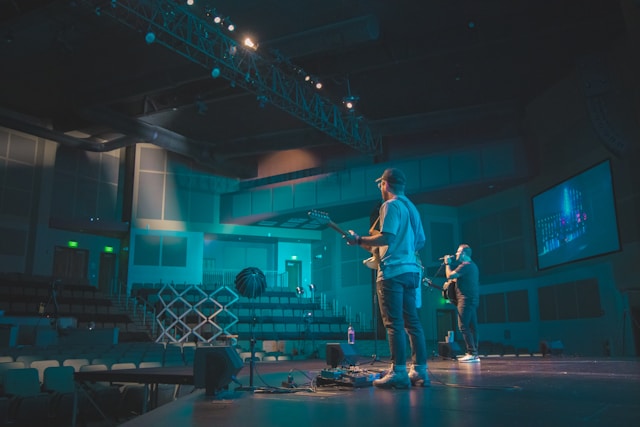
The sanctuary stage and sound booth need extra care during cleaning. These areas often hold expensive equipment, lots of cables, and gear that shouldn’t be moved or wiped down carelessly.
For the stage, vacuum or sweep to remove dust and debris, especially around cords and music stands. Wipe down podiums, furniture, and any flat surfaces used during services. If you have stage lighting or projectors, gently dust those from the outside without adjusting any settings.
The sound booth should be kept neat and dust-free, but avoid touching controls or unplugging anything. Lightly dust around the edges, vacuum the floor, and remove any trash or clutter left behind.
As for musical instruments, don’t clean them directly unless you’ve been trained to do so. Instead, clean around them—vacuum carefully near cables and stands, and wipe down any surrounding tables or risers. This keeps the area clean without risking damage.
6. Monthly and As-Needed Deep Cleaning Tasks
Even with regular upkeep, some parts of your sanctuary need deeper attention. Setting aside time each month for a few extra tasks can keep the space looking beautiful and well cared for.
Start with the baseboards—they collect dust quickly, especially in carpeted areas. Wipe them down along the walls, under pews, and near the stage. Next, check for cobwebs in corners, vents, or behind large furniture. These areas are easy to miss but make a big difference when cleaned.
Don’t forget your windows, especially if you have stained glass or large front-facing panes. A clear view lets natural light shine in and makes the whole room feel brighter. This is also a good time to reapply wood polish to pews, railings, furniture and trim.
Including these deeper tasks in your routine is an important part of how to keep a sanctuary clean over the long term. They keep the sanctuary from slowly looking worn or tired.
7. Train Your Team to Notice the Small Stuff
Even the best cleaning plan won’t work if no one knows what to look for. That’s why it’s important to train your staff or volunteers to spot the little things that matter. A clean sanctuary isn’t just about vacuuming the floor—it’s about noticing when hymnals are out of place, when trash gets left behind, or when the baseboards are starting to collect dust.
Create a simple checklist to hang in the supply closet or keep with your cleaning tools. It doesn’t need to be fancy—just a clear reminder of how to keep a sanctuary clean before and after each service or event. If everyone follows the same list, nothing gets missed and the sanctuary stays consistently clean.
When your whole team understands how to keep a sanctuary clean, they’ll take more pride in keeping it that way.

Pro Tips: Make Cleanliness Part of the Culture
Keeping your sanctuary clean gets easier when it’s part of your church’s regular rhythm—not just something one person tries to manage alone. Small reminders and habits can make a big difference over time.
Try posting quiet reminders for staff and volunteers in behind-the-scenes areas, like closets or break rooms. A simple sign that says, “Did you check the pews for trash?” can go a long way. Make sure supplies like trash bags, disinfectant wipes, and vacuum attachments are easy to find and ready to use.
If volunteers help with cleaning, recognize their effort. A quick thank-you note or public shoutout during a meeting can encourage consistency. When everyone understands the importance of keeping the sanctuary clean, they’ll take ownership—and less will slip through the cracks.
Conclusion
The sanctuary is more than just a room—it’s where people come to connect, reflect, fellowship, and worship. Knowing how to keep a sanctuary clean is one way your church can show care for both the congregation and the purpose of the space. And during busy weeks, a little consistency goes a long way.
By following a clear routine before and after each service, resetting after midweek events, and paying attention to the details, you can keep the sanctuary looking its best all week long. It doesn’t take a massive team or expensive tools—just a simple plan and a few people who know what to do.
If your team ever feels stretched thin or you need help figuring out how to keep a sanctuary clean week after week, our church cleaning services are built to support busy schedules like yours. We understand how sacred this space is, and we’re here to help you keep it that way.


